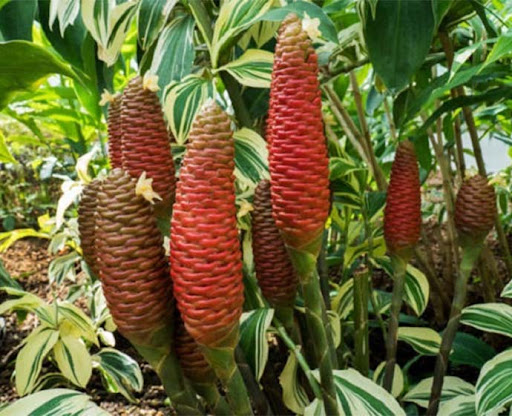
Description
Lempuyang (Zingiber zerumbet)
Indonesia Standard Quality Grade 
Lempuyang (Zingiber zerumbet) is a tropical herbal plant native to Southeast Asia, including Indonesia, where it has been traditionally used as a spice and herbal medicine. Its rhizome has a distinctive aromatic and slightly bitter taste and is widely used in traditional Indonesian herbal preparations.
ORIGIN:
Native to Southeast Asia and widely distributed throughout the Indonesian archipelago. Lempuyang grows naturally and is cultivated in warm, humid tropical environments.
PLANTING:
Thrives in warm tropical climates with temperatures of approximately 20–30°C, sufficient rainfall, and fertile, loose, well-drained soil. It is commonly propagated using healthy rhizome pieces containing viable buds. The rhizomes are planted in shallow holes or planting beds, generally during the beginning of the rainy season.
HARVESTING:
Timing: The rhizomes are generally harvested when the plant reaches maturity, approximately 8–12 months after planting, depending on the intended use.
Method:
The soil surrounding the plant is carefully loosened, and the mature rhizomes are lifted from the ground. The harvested rhizomes are cleaned from soil and impurities, sorted, and processed for fresh use or dried as herbal raw material.
PRODUCTS
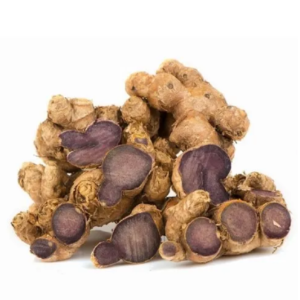
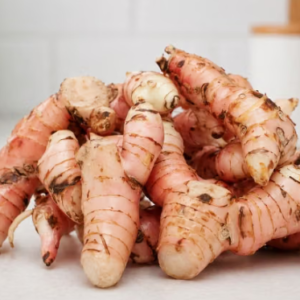
Fresh Rhizomes:
Fresh lempuyang rhizomes used as a culinary spice and traditional herbal ingredient.
Dried Rhizomes (Simplisia):
Cleaned, sliced, and dried lempuyang rhizomes used as raw material for traditional herbal preparations.
Lempuyang Powder:
Dried rhizomes that are ground into powder for use in herbal drinks, supplements, and traditional medicine formulations.
Extracts & Essential Oils:
Concentrated extracts and essential oils obtained from lempuyang rhizomes containing naturally occurring aromatic and bioactive compounds.
Herbal Drinks (Jamu):
Used as an ingredient in traditional Indonesian jamu and herbal preparations.
INDUSTRIES THAT USE IT
Herbal Medicine (Jamu and Phytopharmaceuticals):
Used as a botanical ingredient in traditional herbal medicines and various herbal formulations.
Food & Beverage:
Used as a spice and aromatic ingredient in traditional foods and herbal beverages.
Cosmetics & Personal Care:
Used in selected traditional and commercial formulations such as body care products and aromatic preparations.
Pharmaceutical & Nutraceutical Industry:
Used as a botanical raw material for research and development of herbal products and nutraceutical formulations.
BENEFITS
- Distinctive Aroma & Flavor
Provides a characteristic aromatic, spicy, and slightly bitter flavor. - Natural Bioactive Compounds
Contains naturally occurring essential oils and other bioactive compounds that contribute to its traditional uses. - Digestive Support
Traditionally used to support digestion and help relieve mild digestive discomfort. - Antioxidant Potential
Contains compounds that have been investigated for their antioxidant activity. - Versatile Application
Suitable for traditional herbal preparations, jamu, powders, extracts, and selected food and personal care products.
FUNCTIONS AND BENEFITS
Digestive Health:
Traditionally used to support digestion and help relieve mild digestive discomfort, including bloating and stomach fullness.
Appetite Support:
Lempuyang has traditionally been incorporated into herbal preparations intended to support appetite and digestive comfort.
Antioxidant Support:
Contains naturally occurring compounds with antioxidant activity that may help protect cells from oxidative stress.
Anti-inflammatory Potential:
Bioactive compounds found in lempuyang have been studied for their potential anti-inflammatory properties.
Traditional Herbal Remedies:
Lempuyang has long been used in Indonesian traditional medicine as an ingredient in jamu and other herbal preparations for maintaining general wellness.


Reviews
There are no reviews yet.