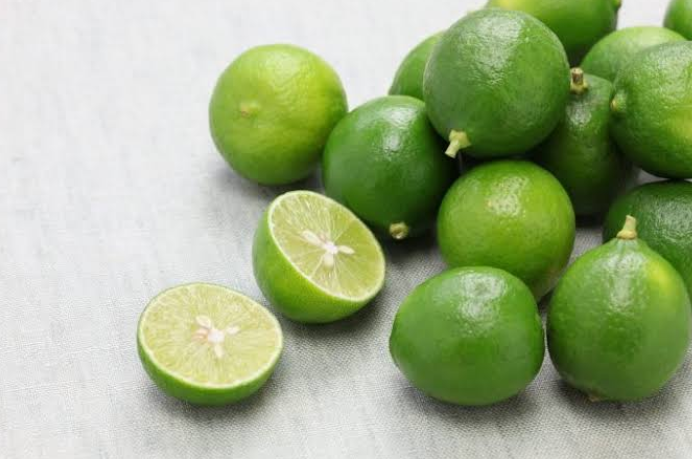
Description
Jeruk Nipis (Citrus Aurantiifolia)
Indonesia Standard Quality Grade 
Jeruk Nipis (Citrus aurantiifolia) is a tropical citrus fruit widely cultivated in Indonesia and other parts of Southeast Asia. It is valued for its distinctive sour flavor, refreshing aroma, and versatile use in culinary, beverage, herbal, and food-processing applications.
ORIGIN
Native to tropical Southeast Asia, lime is widely cultivated throughout the Indonesian archipelago. It grows well in warm tropical environments and is commonly found in home gardens, small farms, and commercial plantations.
PLANTING
Lime trees thrive in warm tropical climates with adequate sunlight, moderate to high rainfall, and fertile, well-drained soil. They are commonly propagated through seeds, cuttings, or grafted plants. Young trees are planted with sufficient spacing to allow proper root development, sunlight exposure, and air circulation.
HARVESTING
Timing:
Limes are generally harvested when the fruits have reached suitable maturity and developed their characteristic green color, juicy pulp, and strong citrus aroma. Harvesting time may vary depending on cultivation conditions and the intended application.
Method:
The fruits are carefully hand-picked or cut from the branches to minimize damage to the fruit and tree. After harvesting, the fruits are sorted, cleaned, and graded according to size, maturity, appearance, and quality.
PRODUCTS
Fresh Limes: Fresh whole fruits supplied for household consumption, traditional markets, food service, and commercial food and beverage applications.
Lime Juice: Freshly extracted or processed lime juice used in beverages, sauces, marinades, seasonings, and food-processing applications.
Dried Lime: Limes that are sliced and carefully dried for use in herbal preparations, culinary products, and specialty beverages.
Lime Peel and Zest: The aromatic outer peel used as a natural flavoring ingredient in food, beverages, and selected cosmetic formulations.
Lime Essential Oil:
Aromatic oil obtained primarily from the peel and used as a natural fragrance and flavor ingredient.
Herbal Drinks and Traditional Preparations:
Lime is commonly used in Indonesian beverages and traditional preparations, often combined with honey, ginger, tea, or other botanical ingredients.
INDUSTRIES THAT USE IT
- Food and Beverage
Widely used as a natural flavoring ingredient in beverages, sauces, dressings, marinades, seasonings, and processed foods. - Herbal and Traditional Wellness
Commonly incorporated into traditional Indonesian drinks and botanical preparations. - Cosmetics and Personal Care
Lime-derived ingredients, particularly citrus aroma and essential oil, may be used in soaps, fragrances, personal-care products, and selected cosmetic formulations. - Food Processing
Lime juice, peel, and zest are utilized as ingredients for flavoring, acidification, and product development.
KEY BENEFITS & PRODUCT ATTRIBUTES
- Distinctive Citrus Aroma & Flavor
Provides a fresh, bright, and characteristic citrus aroma with a strong sour flavor. - Natural Source of Vitamin C
Fresh lime fruit naturally contains vitamin C and can contribute to dietary vitamin C intake. - Versatile Application
Suitable for fresh consumption, beverages, food processing, culinary applications, herbal preparations, and selected personal-care products. - Natural Citrus Ingredient
Provides naturally occurring organic acids, aromatic compounds, and other plant-based constituents. - Indonesian Tropical Commodity
Lime is well adapted to Indonesia’s tropical climate and is cultivated across various regions of the country.
FUNCTIONS & TRADITIONAL BENEFITS
Vitamin C Source:
Fresh lime provides vitamin C, an essential nutrient that contributes to normal immune function and overall nutritional health.
Refreshing Beverage Ingredient:
Its distinctive acidity and aroma make lime a popular ingredient in refreshing drinks and traditional Indonesian beverages.
Culinary Application:
Lime juice is traditionally used to enhance flavor and acidity in soups, sauces, marinades, seafood dishes, and other foods.
Traditional Wellness Use:
Lime has traditionally been incorporated into various Indonesian herbal and household preparations.
Natural Flavoring:
The juice, peel, zest, and essential oil provide characteristic citrus flavor and aroma for food, beverage, and selected personal-care applications.
Reviews
There are no reviews yet.