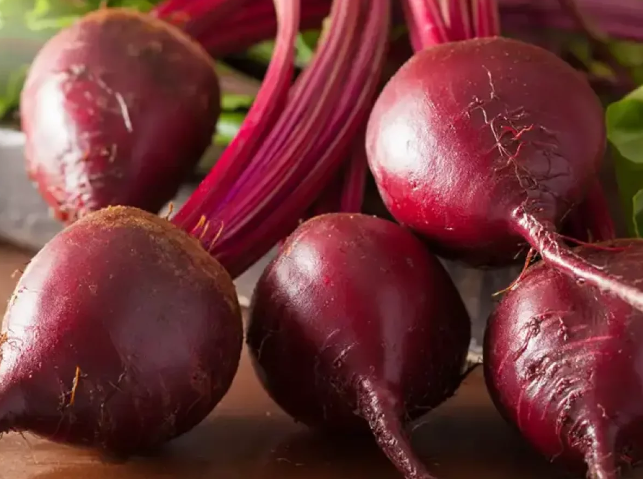
Description
Beetroot (Beta vulgaris L.)
Indonesia Standard Quality Grade 
Beetroot (Beta vulgaris L.) is a root vegetable cultivated for its distinctive deep red to purple color, earthy-sweet flavor, and nutritional value. It is widely used as a food ingredient, natural colorant, juice, powder, and botanical raw material.
ORIGIN
Beetroot belongs to the Beta vulgaris species and is historically associated with the Mediterranean region and Europe. It is now cultivated in many parts of the world, including suitable highland areas of Indonesia.
PLANTING
Beetroot grows best in cool to moderate climates with sufficient sunlight, consistent moisture, and loose, fertile, well-drained soil. It is generally propagated from seeds, which are planted directly into prepared soil. Proper spacing and soil conditions are important to support healthy root development.
HARVESTING
Timing:
Beetroot is generally harvested when the roots have reached the desired size and maturity, commonly around 2–4 months after planting, depending on the variety and growing conditions.
Method:
The soil around the plant is carefully loosened, and the mature roots are lifted from the ground. The leaves and excess soil are removed, followed by sorting and cleaning according to quality requirements.
PRODUCTS
Fresh Beetroot:
Fresh beetroot supplied to traditional and modern markets, food-service businesses, and food-processing industries.
Dried Beetroot (Simplisia):
Cleaned and sliced beetroot that is carefully dried for use as a botanical and food raw material.
Beetroot Powder:
Dried beetroot processed into powder for use in beverages, food products, nutritional formulations, and natural coloring applications.
Beetroot Juice:
Fresh or processed beetroot juice used in beverages, functional drinks, smoothies, and food formulations.
Beetroot Extract:
Concentrated beetroot preparations used as ingredients in food, beverage, nutritional, and botanical products.
Natural Beetroot Colorant:
Beetroot is valued as a natural source of red-purple pigments, particularly betalains, which can be used for natural food coloring applications.
INDUSTRIES THAT USE IT
- Food and Beverage
Used in juices, smoothies, beverages, soups, sauces, bakery products, desserts, and other processed foods. - Natural Food Colorants
Beetroot pigments are used as natural coloring ingredients to provide red, pink, or purple tones in suitable food and beverage products. - Herbal and Nutritional Products
Beetroot powder and extracts are used as botanical ingredients in nutritional and wellness-oriented products. - Cosmetics and Personal Care
Beetroot-derived ingredients may be incorporated into selected cosmetic and personal-care formulations as botanical and natural-color ingredients. - Food Processing
Fresh beetroot, juice, powder, and extracts provide versatile raw materials for food-product development.
KEY BENEFITS & PRODUCT ATTRIBUTES
- Natural Red-Purple Color
Rich in betalain pigments that provide its characteristic deep red to purple coloration. - Naturally Sweet & Earthy Flavor
Offers a distinctive earthy flavor with natural sweetness, making it suitable for both savory and sweet applications. - Nutrient-Rich Root Vegetable
Naturally contains dietary fiber, folate, potassium, and other nutrients that contribute to a balanced diet. - Versatile Application
Suitable for fresh consumption, juices, powders, extracts, natural food coloring, and various food and beverage formulations. - Botanical Value
Contains naturally occurring betalains, polyphenols, and other plant compounds of interest for food and botanical product development.
FUNCTIONS & BENEFITS
Nutritional Support:
Beetroot provides naturally occurring nutrients such as folate, potassium, and dietary fiber as part of a balanced diet.
Antioxidant Properties:
Beetroot contains betalains and other plant compounds with antioxidant activity.
Natural Food Coloring:
Its naturally occurring betalain pigments make beetroot a valuable source of natural red-purple color for suitable food and beverage applications.
Dietary Fiber Source:
Fresh beetroot contributes dietary fiber, which is an important component of a healthy diet.
Versatile Food Ingredient:
Beetroot can be consumed fresh or processed into juice, powder, extracts, and other food ingredients for a wide range of applications.

Reviews
There are no reviews yet.