Description
Pulasari (Alyxiae cortex)
Indonesia Standard Quality Grade 
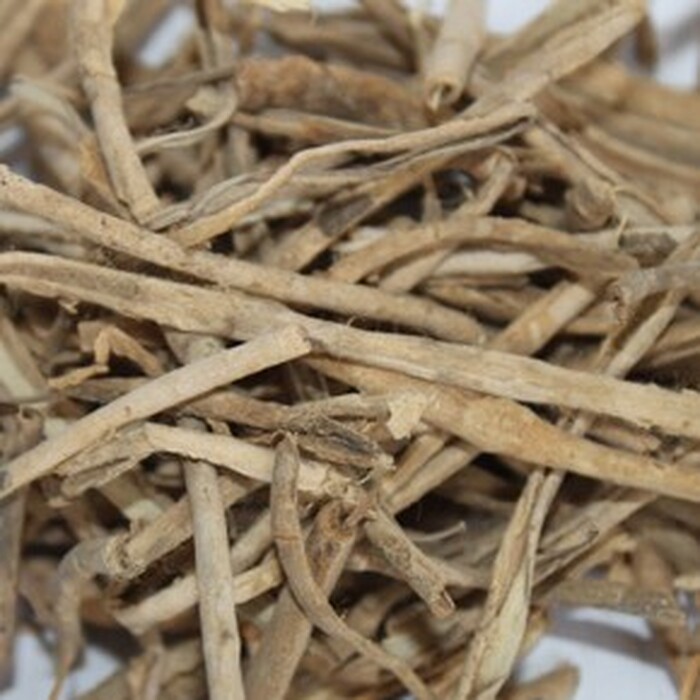
Pulasari (primarily from the Alyxia reinwardtii or Alyxia stellata vine) is a fragrant, climbing woody shrub whose bark is a staple in traditional Indonesian herbal medicine. Almost always paired with fennel (adas) to create the renowned “adas pulasari” combination, it is highly valued for its aromatic properties and its ability to soothe the digestive system.
ORIGIN: Native to the tropical rainforests of Southeast Asia, including the islands of Indonesia. The plant naturally grows as a climbing vine in the shaded, humid environments of both lowland and mountainous forests.
PLANTING: Thrives in warm, humid tropical climates with partial shade and fertile, well-drained, humus-rich soil. Because it is a climbing plant, it requires host trees or trellises for support. Propagation is typically done through stem cuttings or seeds, requiring consistent moisture to establish.
HARVESTING:
- Timing: Harvested when the vine has matured and the stems have grown thick enough to yield substantial bark, typically after a few years of growth.
- Method: The mature stems are cut, and the bark is carefully peeled away from the inner wood. The intensely fragrant bark is then cleaned, cut into pieces, and sun-dried until it curls into its characteristic shape.
Products
- Dried Bark (Simplisia): The dried, curled pieces of the cortex used directly in traditional herbal boiling.
- Herbal Powder: Finely ground bark used in dry jamu blends and traditional remedies.
- Herbal Drinks (Jamu): A foundational ingredient in numerous traditional tonics, rarely used alone but essential in mixed prescriptions.
- Extracts: Concentrated active compounds used in modern herbal supplements, syrups, and aromatics.
- Traditional Body Care: Ground pulasari is often mixed into traditional body scrubs (lulur).
INDUSTRIES THAT USE IT
- Herbal Medicine (Jamu and Phytopharmaceuticals): A primary ingredient for digestive remedies, children’s health tonics, and women’s health products.
- Food and Beverage: Used as a natural aromatic spice and flavoring agent in specific traditional recipes.
- Cosmetics and Personal Care: Incorporated into traditional spa treatments, body scrubs, and natural fragrances due to its pleasant, sweet scent.
BENEFITS
Traditional Herbal Value Pulasari is a cornerstone of Indonesian jamu, famous for its synergistic pairing with fennel to balance the harshness of other medicinal roots and leaves.
Digestive Health Traditionally utilized as a powerful carminative to relieve bloating, flatulence, colic in children, and general stomach cramps.
Aromatic Properties Contains naturally occurring fragrant compounds (including coumarin) that provide a soothing scent and help mask the bitterness of other herbal ingredients.
Women’s Wellness Frequently included in traditional postpartum care regimens and herbal remedies designed to relieve menstrual discomfort.
Cultural Heritage Represents the deep-rooted Indonesian botanical tradition of blending synergistic herbs, showcasing the sophisticated historical understanding of plant combining.
Functions and Benefits
- Digestive Comfort: Highly effective in traditional practice for easing stomach aches, expelling trapped gas, and supporting overall digestion.
- Antispasmodic Support: Traditionally used to relax intestinal muscles and relieve abdominal cramping.
- Postpartum & Menstrual Care: A common fixture in traditional blends designed to warm the body, reduce pain, and support recovery for women.
- Aromatic Enhancer: Imparts a distinct, sweet, and comforting woody fragrance to both internal herbal preparations and external body care products.
- Synergistic Balancer: Acts as a harmonizing herb in complex formulations, enhancing the flavor, aroma, and therapeutic profile of mixed jamu recipes.

Reviews
There are no reviews yet.