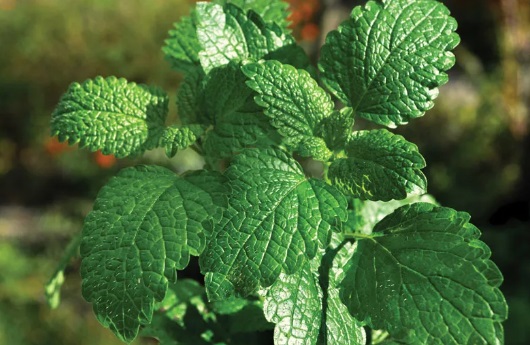
Description
Mint (Mentha piperita L.)
Indonesia Standard Quality Grade 
Mint (Mentha piperita L.) is an aromatic herbal plant from the Mentha genus, widely cultivated and used around the world as a culinary herb, traditional medicine, and ingredient in food, beverages, cosmetics, and personal care products.
ORIGIN: Native to Europe and the Mediterranean region, peppermint is now widely cultivated in many temperate and subtropical regions, including Indonesia.
PLANTING: Thrives in cool to moderately warm climates with temperatures around 15–25°C, adequate rainfall, and fertile, moist, well-drained soil. It is commonly propagated through stem cuttings or runners and planted in moist soil with sufficient sunlight or partial shade.
HARVESTING:
- Timing: Harvested when the plants are healthy and actively growing, generally 3 to 4 months after planting. For essential oil production, harvesting is commonly done just before or during flowering when the concentration of aromatic compounds is high.
- Method: The stems and leaves are cut close to the base of the plant. The harvested leaves and stems are then cleaned and either used fresh or dried for further processing.
Products
- Fresh Leaves: Fresh mint leaves used in beverages, culinary dishes, and garnishes.
- Dried Mint: Dried leaves used as a tea ingredient, seasoning, and herbal preparation.
- Extracts and Essential Oils: Concentrated peppermint extracts and essential oils used as active ingredients in food, medicine, cosmetics, and personal care products.
- Herbal Drinks: Used in herbal teas, infused beverages, and refreshing mint-based drinks.
INDUSTRIES THAT USE IT
- Herbal Medicine and Traditional Remedies: Used in herbal preparations and products designed to support digestive and respiratory health.
- Food and Beverage: Used as a flavoring ingredient in tea, candy, chewing gum, beverages, desserts, sauces, and other food products.
- Cosmetics and Skincare: Peppermint oil and extracts are used in toothpaste, mouthwash, soaps, shampoos, lotions, balms, and cooling skincare products.
- Aromatherapy: Peppermint essential oil is widely used for its fresh, cooling aroma in aromatherapy and wellness products.
BENEFITS
- Refreshing Aroma & Flavor
Provides a distinctive cool, fresh, and aromatic flavor suitable for food, beverages, and wellness products. - Cooling Sensation
Contains menthol, which creates a natural cooling sensation and is commonly used in personal care and topical products. - Digestive Support
Traditionally used to help relieve mild digestive discomfort, bloating, and stomach cramps. - Respiratory Comfort
The menthol-rich aroma may provide a soothing and refreshing sensation for the nose and throat. - Versatile Application
Suitable for use in herbal teas, beverages, food products, cosmetics, aromatherapy, and personal care products.
Functions and Benefits
- Digestive Health: Traditionally used to help ease mild indigestion, bloating, and abdominal discomfort.
- Antioxidant Properties: Contains natural compounds with antioxidant activity that help protect cells from oxidative stress.
- Respiratory Comfort: Menthol provides a cooling and refreshing sensation that can help soothe minor nasal and throat discomfort.
- Relaxation & Aromatherapy: Its fresh aroma is commonly used to promote a refreshing and calming sensory experience.
- Oral Care: Peppermint oil is widely used in toothpaste, mouthwash, and other oral-care products because of its refreshing flavor and aroma.
- Traditional Remedies: Has been used traditionally as a herbal ingredient for digestive complaints, headaches, and general wellness.


Reviews
There are no reviews yet.