Description
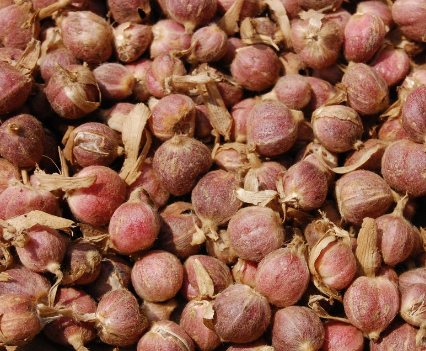
Kapulaga (Amomum fructus)
Indonesia Standard Quality Grade 
Kapulaga (Amomum spp.) adalah tanaman rempah tropis yang banyak dibudidayakan di Indonesia dan negara-negara Asia Tenggara. Bagian yang paling banyak dimanfaatkan adalah buah dan bijinya yang memiliki aroma khas, rasa hangat, dan digunakan secara luas dalam pengobatan tradisional, industri pangan, minuman, serta produk herbal.
ORIGIN: Native to South and Southeast Asia, kapulaga is widely cultivated in Indonesia, particularly in regions with warm, humid climates and fertile soils.
PLANTING: Thrives in warm tropical climates with temperatures around 20–30°C, high humidity, sufficient rainfall, and fertile, loose, well-drained soil. It is commonly propagated from healthy rhizomes or young shoots and planted in shaded areas with adequate moisture.
HARVESTING:
- Timing: Harvested when the fruits are mature but before they fully open, generally around 2–3 years after planting, with subsequent harvests possible throughout the productive period.
- Method: Mature fruit clusters are carefully picked by hand to avoid damaging the plant. The harvested fruits are then cleaned, sorted, and dried according to the intended product specification.
Products
- Fresh Fruits: Fresh green or mature cardamom fruits used as culinary spices and raw materials.
- Dried Fruits (Simplisia): Whole dried cardamom fruits prepared for traditional medicine, herbal products, and spice applications.
- Cardamom Powder: Dried fruits and seeds that are ground into powder for food, beverages, and herbal formulations.
- Extracts and Essential Oils: Concentrated extracts and aromatic oils obtained from the fruits and seeds for use as active ingredients and flavoring agents.
- Herbal Drinks and Jamu: Used as an aromatic ingredient in traditional herbal drinks and formulations.
INDUSTRIES THAT USE IT
- Herbal Medicine (Jamu and Phytopharmaceuticals): Used as an ingredient in traditional herbal preparations and modern herbal products.
- Food and Beverage: Used as a spice and natural flavoring agent in cooking, bakery products, confectionery, tea, coffee, and other beverages.
- Cosmetics and Personal Care: Cardamom essential oil and extracts are used in fragrances, soaps, body care products, and aromatherapy formulations.
- Flavor and Fragrance Industry: Its distinctive warm, sweet, and spicy aroma makes it valuable for flavoring and fragrance applications.
BENEFITS
- Rich Aroma & Flavor
Provides a distinctive warm, sweet, spicy, and refreshing aroma that enhances food and beverage products. - Balanced Taste
Offers a harmonious combination of sweet, warm, slightly pungent, and refreshing flavor characteristics. - Premium Positioning
Suitable for premium spices, specialty beverages, herbal products, and high-value F&B applications. - Consistent Quality
Proper harvesting, sorting, and drying help maintain the characteristic aroma, flavor, color, and quality of the cardamom. - Versatile Application
Suitable for use in culinary products, herbal preparations, beverages, essential oils, cosmetics, and traditional medicine.
Functions and Benefits
- Digestive Health: Traditionally used to help relieve mild digestive discomfort, bloating, and nausea.
- Antioxidant Support: Contains aromatic compounds and phytochemicals with antioxidant properties that may help protect cells from oxidative stress.
- Respiratory Support: Traditionally used to help soothe the throat and support comfortable breathing.
- Oral Health: Its aromatic and antimicrobial properties have traditionally made cardamom useful for freshening breath and supporting oral hygiene.
- Traditional Remedies: Used in traditional medicine to support digestion, relieve mild stomach discomfort, and provide a warming and refreshing effect.
- Aromatic & Relaxing: Cardamom essential oil is used in aromatherapy and personal-care products for its pleasant, warming fragrance.


Reviews
There are no reviews yet.