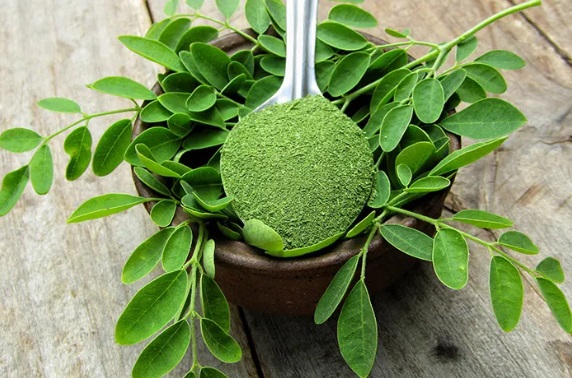
Description
Moringa (Moringa oleifera)
Indonesia Standard Quality Grade 
Moringa (Moringa oleifera) is a fast-growing tropical tree native to South Asia and widely cultivated throughout Indonesia. Known as kelor, its leaves, pods, and seeds have been used for generations as a nutritious food and traditional herbal ingredient.
ORIGIN:
Native to the Indian subcontinent, Moringa oleifera has spread throughout tropical and subtropical regions, including Indonesia, where it grows both cultivated and naturally in various areas.
PLANTING:
Moringa thrives in warm tropical climates with plenty of sunlight and well-drained soil. It is drought-tolerant and can grow in a variety of soil conditions. Moringa is commonly propagated through seeds or stem cuttings, planted directly into prepared soil with sufficient space for root and canopy development.
HARVESTING:
- Timing: Young leaves can be harvested approximately 2 to 3 months after planting, while mature leaves and pods can be harvested periodically as the plant continues to grow.
- Method: Leaves are carefully picked or cut from the branches. Mature pods are harvested when they reach the appropriate size and before they become excessively fibrous. Seeds are collected from fully mature, dried pods.
Products
- Fresh Leaves: Young and mature leaves used as vegetables and traditional food ingredients.
- Dried Leaves / Powder: Leaves are dried and ground into moringa powder, commonly used as a nutritional supplement.
- Seeds & Seed Oil: Moringa seeds can be processed for their oil, which is used in food, cosmetics, and personal-care products.
- Herbal Drinks: Moringa leaves are commonly prepared as herbal tea and incorporated into traditional wellness beverages.
- Capsules & Supplements: Dried moringa leaf powder is processed into capsules, tablets, and other dietary supplements.
INDUSTRIES THAT USE IT
- Herbal Medicine & Supplements: Used as an ingredient in traditional herbal products, nutritional supplements, and wellness products.
- Food & Beverage: Moringa leaves and powder are used in teas, functional beverages, snacks, and nutritious food products.
- Cosmetics & Skincare: Moringa seed oil is used in soaps, lotions, facial oils, hair-care products, and moisturizing formulations.
- Agriculture: Moringa is also cultivated as a multipurpose plant for animal feed, organic materials, and sustainable agricultural applications.
BENEFITS
1. Rich in Nutrients: Moringa leaves contain various nutrients, including vitamins, minerals, protein, and dietary fiber, making them a valuable addition to a balanced diet.
2. Antioxidant Properties: Moringa contains antioxidant compounds that help protect cells from oxidative stress caused by free radicals.
3. Supports General Wellness: Its nutritional content can contribute to maintaining overall health and supporting normal body functions when consumed as part of a balanced diet.
4. Traditional Herbal Use: Moringa has a long history of use in traditional medicine and food practices across tropical regions, including Indonesia.
5. Versatile Application: Different parts of the plant—including leaves, pods, seeds, and seed oil—can be utilized in food, beverages, supplements, cosmetics, and other natural products.
Functions and Benefits
- Nutritional Support: Moringa leaves provide vitamins, minerals, protein, and other nutrients that can complement a balanced diet.
- Antioxidant Support: Contains naturally occurring antioxidant compounds that help protect cells from oxidative stress.
- Digestive Support: The leaves contain dietary fiber that can support normal digestive function.
- Traditional Wellness: Traditionally consumed as food and herbal preparations to support general health and vitality.
- Skin & Hair Care: Moringa seed oil is valued for its moisturizing properties and is used in various skincare and hair-care products.


Reviews
There are no reviews yet.