Description
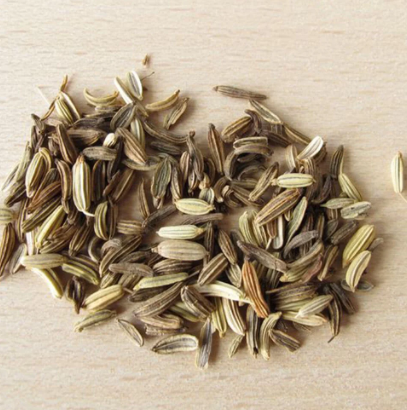
Adas (Foeniculi fructus)
Indonesia Standard Quality Grade 
Adas (Foeniculum vulgare Mill.) adalah tanaman herbal aromatik dari keluarga Apiaceae yang banyak dimanfaatkan sebagai rempah dan tanaman obat tradisional. Bagian yang paling banyak digunakan adalah buah kering atau bijinya (fennel fruit/fennel seed) yang memiliki aroma khas, rasa manis, hangat, dan sedikit seperti anise. Adas digunakan secara luas dalam pengobatan tradisional, industri pangan, minuman, produk herbal, kosmetik, serta sebagai sumber minyak atsiri.
ORIGIN: Native to the Mediterranean region and Western Asia, adas is now widely cultivated in many regions, including Indonesia, particularly in areas with sufficient sunlight, moderate temperatures, fertile soils, and good drainage.
PLANTING: Thrives in sunny environments with temperatures around 15–30°C, moderate rainfall, sufficient moisture, and fertile, loose, well-drained soil. It is commonly propagated from healthy seeds planted directly into prepared soil with adequate spacing and sunlight.
HARVESTING:
- Timing: Harvested when the fruits are mature and begin to turn greenish-brown to brown, generally around 4–6 months after planting, depending on the variety and growing conditions.
- Method: Mature fruit clusters are carefully harvested when the fruits have developed their characteristic color and aroma. The harvested fruits are then dried, threshed, cleaned, and sorted according to the intended product specification.
Products
- Fresh Fruits: Fresh adas fruits used as culinary ingredients and raw materials for traditional herbal preparations.
- Dried Fruits (Simplisia): Whole dried adas fruits prepared for traditional medicine, herbal products, and spice applications.
- Fennel Powder: Dried fruits that are ground into powder for food, beverages, spices, and herbal formulations.
- Extracts and Essential Oils: Concentrated extracts and aromatic essential oils obtained from the fruits, particularly containing anethole, for use as active ingredients, flavoring agents, and fragrance components.
- Herbal Drinks and Jamu: Used as an aromatic and warming ingredient in traditional herbal drinks and formulations.
INDUSTRIES THAT USE IT
- Herbal Medicine (Jamu and Phytopharmaceuticals): Used as an ingredient in traditional herbal preparations and modern herbal products.
- Food and Beverage: Used as a spice and natural flavoring agent in cooking, bakery products, confectionery, tea, traditional beverages, and other food products.
- Cosmetics and Personal Care: Fennel essential oil and extracts are used in fragrances, soaps, body care products, oral-care products, and aromatherapy formulations.
- Pharmaceutical Industry: Used as a botanical raw material and source of aromatic compounds in traditional and herbal medicinal preparations.
- Flavor and Fragrance Industry: Its distinctive sweet, warm, and anise-like aroma makes it valuable for flavoring and fragrance applications.
BENEFITS
- Rich Aroma & Flavor
Provides a distinctive sweet, warm, aromatic, and slightly anise-like aroma that enhances food, beverage, and herbal products.
- Balanced Taste
Offers a harmonious combination of sweet, warm, mildly spicy, and refreshing flavor characteristics.
- Premium Positioning
Suitable for premium spices, specialty beverages, herbal products, traditional medicine, and high-value F&B applications.
- Consistent Quality
Proper harvesting, drying, sorting, and storage help maintain the characteristic aroma, flavor, color, and quality of adas fruits.
- Versatile Application
Suitable for use in culinary products, herbal preparations, beverages, essential oils, cosmetics, oral-care products, and traditional medicine.
Functions and Benefits
- Digestive Health: Traditionally used to help relieve mild digestive discomfort, bloating, flatulence, and stomach cramps.
- Antioxidant Support: Contains naturally occurring phytochemicals and aromatic compounds with antioxidant properties that may help protect cells from oxidative stress.
- Respiratory Support: Traditionally used to help soothe the throat and support comfortable breathing.
- Oral Health: Its aromatic properties and traditional use make fennel useful in preparations intended to freshen breath and support oral hygiene.
- Traditional Remedies: Used in traditional medicine to support digestion, relieve mild abdominal discomfort, and provide a warming and soothing effect.
- Aromatic & Relaxing: Fennel essential oil is used in aromatherapy and personal-care products for its pleasant, sweet, warm, and refreshing fragrance.

Reviews
There are no reviews yet.